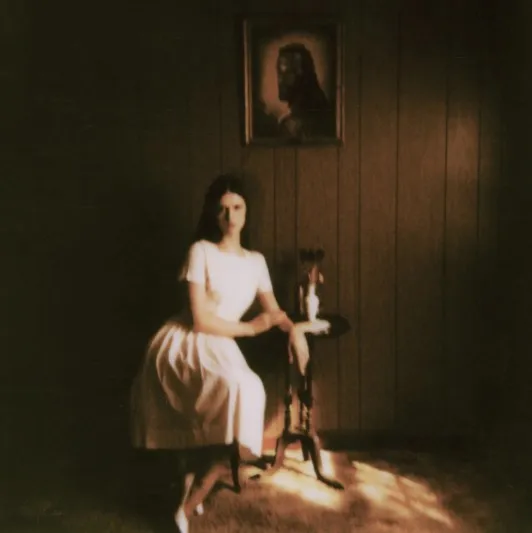
Preacher’s Daughter
- Artist
- Ethel Cain
- Written
- Language
- Chinese, with an English translation
English translation
Machine-assisted translation of Vanessa’s Chinese original.
It is hard to explain it with just the word “like”. Some of the sounds are so beautiful I can’t bear to turn them off, and other places make me want to shy away by instinct. Once you know how the story ends, the bright-sounding songs before it change too. American Teenager is still so good to listen to, and Thoroughfare is still so open, but I can no longer fully believe them.
The Ethel here is a character created by Hayden Anhedönia. The album follows her family, her love affairs, her leaving home, and her death, and it writes religion and the living environment of the American South into one person’s experiences. The story itself is very heavy, but what really pulled me in is how each song changes the distance in what you hear. Sometimes she is so close it is like she is talking in your ear, and sometimes the whole band is playing and her voice is still pressed far away.
Family Tree (Intro) first brings a sense of pressure that has already lasted a long time. Low sounds and long, trailing echoes surround the voice, and religion and bloodline both take on a concrete weight here. She hasn’t started telling her own experiences yet, and the place she was born into has already set many things for her. This opening is very short, but it gives everything that happens afterward a source.
American Teenager then suddenly turns bright. The drums push forward, the guitar stretches out, and the chorus is big enough for you to sing along. It uses a pop-rock form that easily makes people believe in youth and the future, yet the lyrics hold the gap left by war, the pressure of religion, and doubt about those promises. What stays with me most is that she still needs this brightness to sing her distrust. A young person’s excitement and disappointment in life are squeezed into the same song, and neither fully wins out.
A House in Nebraska slows the pace down and also hands us the most important memory on the album. Ethel misses her first love, Willoughby, and misses the private space they once had. In her heart that house is more than a place; it keeps the self she once was, who could be needed and could imagine a future.
The piano repeats again and again, the voice is sung very slowly, and the length of over eight minutes makes the longing somewhat stubborn. When the electric guitar finally comes in during the second half, what was held down before comes pouring out. The solo doesn’t explain for her why the relationship ended, it only extends the feeling of still not being able to let go. I think this song has to take this much time, because she can’t work it out, and she is unwilling to jump easily to the next thing.
In Western Nights, the new relationship is already showing violence. Logan brings her danger, and she is still willing to follow him. The song doesn’t announce directly, with an especially fierce arrangement, that this person is a problem. Instead it keeps a slow and intimate way of singing. It is exactly this intimacy that makes people uncomfortable. The listener can already recognize the harm, and she still puts loyalty near the front, even counting being able to bear everything with the other person as part of love.
When Family Tree comes back, the shadow from the opening comes back too. The guitar becomes heavy, and the drums and voice push the song into a larger space. She wants to escape, to start another life, but the language of sin, bloodline, and punishment keeps following her. For me, the power of this song is that leaving is sung with so much effort, and getting free of the past is still so hard.
Hard Times, right after, pulls away almost all the force. Gentle guitar and a soft voice carry the memory of her father’s sexual abuse. This arrangement is harder to listen to than showing the trauma directly with noise. When she speaks of her father she still keeps a child’s need for closeness, and that need did not automatically turn into an easily understood hate just because the harm happened.
I don’t want to read the tenderness in this song as forgiveness for the abuser. What it lets me hear is that a person’s understanding of love may have been scrambled from the very beginning. Her later dependence, self-blame, and tolerance in intimate relationships become even sadder because of this. By this point, the earlier songs have also been reinterpreted once.
Thoroughfare is the song on the album that most easily lets me relax for a moment. The acoustic guitar, harmonica, and increasingly free playing open up the space all at once. Ethel meets Isaiah, goes on the road with him, and is willing to believe a new encounter might bring a different life. The nearly improvised unfolding in the second half of the song is very infectious, and time is no longer used only for enduring, it can start to be enjoyed too.
But put back into the whole album, you hear a dangerous kind of optimism. We can only hear the story Ethel believed at the time. Her excitement is real, but the sense of safety may not be reliable. Hayden doesn’t rush here to remind the listener of the ending. She lets this hope fully hold, which makes the destruction afterward harder to bear.
Gibson Girl then changes where the body sits in the music. The low frequencies get heavy, the beat is sticky, and the seductive voice is placed in an increasingly oppressive environment. In the story Ethel is controlled and forced into the sex trade, so the song’s sensuality cannot easily be taken as freedom. The voice sounds as if it is still trying to keep some initiative, while the space of the sound keeps tightening.
Ptolemaea is where this oppression is at its most extreme. A low male voice, noise, and distorted textures surround her, and the singing gradually turns into a cry for help. That scream is frightening because so much time was spent before it making you wait, and when it finally arrives there is almost no place to retreat to.
I don’t think it is only the song on the album in charge of scaring people. The earlier songs have already established this person’s desires, memories, and fears, and by here the listener knows what is being lost. The horror attaches to someone we already know, which is why it has such force.
August Underground and Televangelism appearing back to back is a key piece of handling on the whole album. The former continues the heavy, murky sound and holds the fear near death in place, while the latter leaves the piano, so that consciousness seems to slowly leave the body. Neither has conventional narrative lyrics, but the story doesn’t pause because of that. The sound itself carries the process of crossing death, and also lets people come out of the tension of Ptolemaea bit by bit.
Only then comes Sun Bleached Flies.
This is the song I prefer most on the whole album. When it arrives, the worst thing has already happened, and the music instead has an openness seen little before. The piano first supports the singing, the drums and guitar gradually come in, and the stacked voices increasingly sound like a shared prayer. The religious language that kept her trapped before has still not left here, only now she can finally say it again from her own position.
God loves you, but not enough to save you.
This line is cruel. Love was once promised, and salvation did not happen. Placed in the story of her already being dead, it especially cannot be lightly passed over. But I like that the song doesn’t spend all its strength on accusation. She remembers the church, and she remembers her family, she knows how she was hurt, and she still cannot peel that life off herself completely.
This makes me feel Sun Bleached Flies is very accurate. A person can be disappointed in a place and still miss its sound. After leaving a certain faith, the familiar way of singing hymns and the rhythm of praying may last longer than the reasoning. So the gospel quality of the song is somewhat contradictory, but very necessary. She is using the way she has known since childhood to deal with things that no one dealt with for her.
The phrases repeating through the middle and later part let the emotion loosen bit by bit. When I get here, I often feel that the things that had to be resisted and proven before have been set aside for a while. The forgiveness in the song still carries pain, and the wounds she suffered are not cancelled. The music gives her a stretch of time in which she can look back, and she finally doesn’t have to keep running forward.
What I can’t bear to leave most is the ending, which goes back to the house in Nebraska. The album has gone through so many places, so much intense sound, and what she finally thinks of is still that one small possibility. If she could have stayed back then, if that relationship could have continued, maybe the days could have been something else.
A House in Nebraska took such a long time earlier that we already know what that house means to her. So here there is almost no need to explain again; the moment it is mentioned, the whole memory comes back. This callback has weight. It lets the seven-minute-plus Sun Bleached Flies stop at last on a concrete wish, and also lets the so-called release keep its regret.
Strangers doesn’t follow this openness straight to an end. It brings us back to the ending where Ethel is killed and eaten, and lets her keep facing the person who hurt her even after death. The cannibalism plot can easily take all the attention, but what I care about more is that she still asks what she was to him. The harm has reached such a degree, and she is still trying to understand whether she was ever loved.
In the second half the guitar and drums expand greatly, the sound nearly swallowing her, and at the end it turns to her mother. This closing makes me feel that the whole album never forgot that she was also just a daughter who couldn’t make it home. Death doesn’t belong only to the killer and victim in the story; it also leaves behind a life that waits for someone who doesn’t come.
The narrative of Preacher’s Daughter is of course very dramatic, and several of the long songs need patience. But most of its length is spent on places worth staying in. A House in Nebraska lets you live inside a memory, Thoroughfare lets you believe in one journey, Ptolemaea blocks the way back, and Sun Bleached Flies slowly opens the view again. Every section of sound changes how we understand Ethel.
What I like best is still the feeling in Sun Bleached Flies of finally being able to look back. She didn’t get the life she originally wanted, but she still remembers where she once wanted to go. After listening, that house stays with me longer than many of the more intense scenes.
Chinese original
很难只用喜欢两个字解释它。里面有些声音确实漂亮得让人舍不得关掉,有些地方又让人本能地想躲开。知道故事结局以后,前面那些听起来明亮的歌也会跟着变。American Teenager 还是那么好听,Thoroughfare 还是很开阔,只是我已经没有办法完全相信它们了。
这里的 Ethel 是 Hayden Anhedönia 创造的角色。专辑沿着她的家庭、恋情、出走和死亡展开,把宗教与美国南方的生活环境写进个人的遭遇里。故事本身很重,但真正让我陷进去的,是每一首歌怎样改变听觉上的距离。有时候她近得像在耳边说话,有时候整个乐队都响起来了,她的声音却仍然被压在很远的地方。
Family Tree (Intro) 先带来一种已经延续很久的压迫感。低沉的声音和拖长的回响围住人声,宗教与血缘在这里都有了具体重量。她还没有开始讲自己的经历,出生的环境已经先替她规定了很多东西。这个开场很短,却让之后发生的事都有了来处。
American Teenager 则突然明亮起来。鼓点向前推,吉他舒展,副歌大得足够让人跟着唱。它用了一种很容易使人相信青春和未来的流行摇滚形式,歌词里却有战争留下的空缺、宗教的压力,以及对那些许诺的怀疑。最让我在意的,是她仍然需要借这份明亮来唱出不信任。年轻人的兴奋和对生活的失望挤在同一首歌里,没有谁完全占上风。
A House in Nebraska 把速度放下来,也把专辑最重要的一段记忆交给我们。Ethel 想念初恋 Willoughby,想念他们曾经拥有过的私密空间。那所房子在她心里已经超过了一个地点,它保存着她曾经能够被需要、能够想象未来的样子。
钢琴一遍遍重复,人声唱得很慢,八分多钟的长度让思念变得有些固执。后半段电吉他终于进入时,前面被压住的东西才涌出来。独奏没有替她解释关系为什么结束,只把那种仍然放不下的感觉延长了。我觉得这首歌必须留这么多时间,因为她想不明白,也不愿意轻易跳到下一件事。
Western Nights 里的新关系已经显露出暴力。Logan 带给她危险,她却依然愿意跟着走。歌曲没有用特别凶猛的编排直接宣布这个人有问题,反而保留了缓慢而亲昵的歌唱。正是这份亲昵让人不舒服。听者已经能辨认出伤害,她仍然把忠诚放在很前面,甚至把能够陪对方承受一切当作爱情的一部分。
Family Tree 再次出现时,开场的阴影也回来了。吉他变得沉重,鼓和人声把歌曲推向更大的空间。她想逃出去,想开始别的生活,但那些关于罪、血缘和惩罚的语言一直跟着她。对我来说,这首歌的力量就在于,出走被唱得那么用力,摆脱过去却依然很困难。
紧接着的 Hard Times 几乎把所有力量都撤走。轻轻的吉他和柔软的人声,承载着关于父亲性侵的记忆。这个安排比直接用噪音表现创伤更难听下去。她提起父亲时仍然保留着孩子对亲近的需要,那种需要没有因为伤害发生,就自动变成一种容易理解的恨。
我不愿意把这首歌里的温柔理解成对施害者的宽恕。它让我听见的是,一个人对爱的认识可能从最早的时候就被弄乱了。她后来在亲密关系里的依赖、自责和容忍,因此变得更令人难过。到这里,前面的几首歌也被重新解释了一遍。
Thoroughfare 是专辑里最容易让我短暂放松的一首。木吉他、口琴和越来越自由的演奏,把空间一下拉开。Ethel 遇到 Isaiah,跟着他上路,愿意相信新的相遇可能带来不同的生活。歌曲后半段近乎即兴的展开很有感染力,时间不再只用来忍耐,也开始能够被享受。
但把它放回整张专辑,又会听出一种危险的乐观。我们只能听见 Ethel 当时相信的故事。她的兴奋是真的,安全感却未必可靠。Hayden 没有在这里急着提醒听者结局,她让这份希望充分成立,之后的破坏才更难承受。
Gibson Girl 随即改变了身体在音乐里的位置。低频变重,节拍黏滞,带着诱惑的声线被放进越来越压迫的环境里。故事里的 Ethel 被控制、被迫卷入性交易,歌曲的性感因此不能被轻易当成自由。人声像仍在努力维持某种主动,声音的空间却不断缩紧。
Ptolemaea 是这种压迫最极端的地方。低沉的男声、噪音和失真的质感把她围住,歌唱逐渐变成求救。那声尖叫之所以可怕,是因为前面已经耗了太多时间让人等待,等到它终于出现,几乎没有可以退回去的位置。
我并不觉得它只是专辑里负责吓人的一首。前面的歌已经建立了这个人的欲望、记忆和恐惧,到了这里,听者知道正在失去的是什么。恐怖感依附在一个已经认识的人身上,才有这么大的力量。
August Underground 和 Televangelism 连着出现,是整张专辑很关键的一次处理。前者延续沉重、混浊的声响,把死亡附近的恐惧拖住;后者则留下钢琴,让意识仿佛慢慢脱离肉身。两首都没有常规的叙述性歌词,故事却没有因此暂停。声音本身承担了跨过死亡的过程,也让人从 Ptolemaea 的紧绷里一点点出来。
然后才是 Sun Bleached Flies。
这是整张专辑里我最偏爱的一首。它出现时,最可怕的事已经发生,音乐反而有了此前少见的开阔。钢琴先支撑着歌声,鼓和吉他逐渐进来,叠起的人声越来越像一场共同的祈祷。前面一直困住她的宗教语言,在这里仍然没有离开,只是她终于能够从自己的位置重新说一遍。
God loves you, but not enough to save you.
这句话很残酷。爱曾经被许诺过,拯救却没有发生。放在她已经死去的故事里,它尤其无法被轻轻带过。可我喜欢这首歌没有把全部力气停在控诉上。她记得教堂,也记得家人,知道自己怎样被伤害,仍然无法把那些生活彻底从自己身上剥离。
这让我觉得 Sun Bleached Flies 很准确。人可以对一个地方失望,也仍然想念它的声音。离开某种信仰以后,熟悉的唱诗方式、祈祷的节奏,也可能比道理留得更久。歌曲的福音质感因此有些矛盾,却非常必要。她在用自己从小会用的方式,处理那些没有人替她处理过的事。
中后段不断重复的乐句,让情绪一点点松开。我听到这里,常常会觉得,前面那些必须反抗、必须证明的事情暂时放下了一些。歌里的宽恕仍然带着疼痛,受过的伤也没有被取消。音乐给了她一段能够回望的时间,她终于不用一直向前逃。
最让我舍不得的,是结尾又回到 Nebraska 的房子。专辑已经走过这么多地方,经历了如此激烈的声音,她最后想起的仍然是那一点很小的可能。如果当初能够留下,如果那段关系能够继续,也许日子本来可以是别的样子。
A House in Nebraska 在前面用了那么长的时间,我们已经知道那所房子对她意味着什么。因此这里几乎不需要重新解释,一提起,整段记忆就回来了。这个回扣很有分量。它让七分多钟的 Sun Bleached Flies 最后停在一个具体的愿望上,也让所谓解脱保留了遗憾。
Strangers 没有顺着这种开阔直接结束。它重新把我们带回 Ethel 被杀害、吞食的结局,也让她从死后继续面对那个伤害自己的人。食人的情节很容易抢走所有注意力,但我更在意的,是她仍然会问自己在对方心里是什么。伤害已经到了这样的程度,她却还在试图理解自己有没有被爱过。
后半段吉他与鼓大幅展开,声音几乎要把她吞进去,最后又转向母亲。这个收束让我觉得,整张专辑始终没有忘记,她也只是一个没能回家的女儿。死亡并不只属于故事里的凶手和受害者,它还留下一段等不到人的生活。
Preacher’s Daughter 的叙事当然很戏剧化,几首长歌也需要耐心。但它的篇幅大多用在了值得停留的地方。A House in Nebraska 让人住进记忆,Thoroughfare 让人相信一次远行,Ptolemaea 把退路堵住,Sun Bleached Flies 又慢慢打开视野。每一段声音都改变了我们理解 Ethel 的方式。
我最喜欢的依然是 Sun Bleached Flies 里那种终于能够回头看的感觉。她没有得到自己原先想要的人生,却还记得曾经想去哪里。听完之后,那所房子比很多更激烈的场面留得更久。